



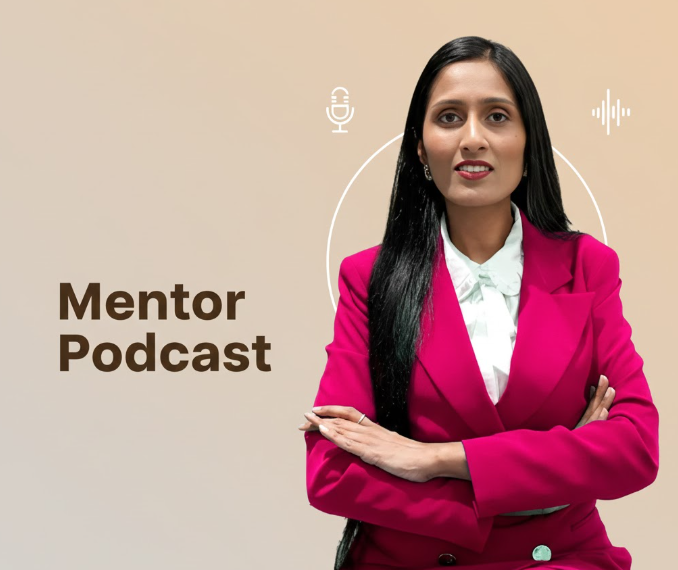
Mentor podcast conversations offer young professionals something that courses, reels, and generic advice often fail to provide, real guidance rooted in lived experience. Early careers are full of uncertainty, pressure, and silent confusion about whether one is moving in the right direction. Many young professionals work hard but still feel unsure because they lack perspective, reassurance, and calm direction.
This gap is not about skill. It is about guidance. Thoughtful audio conversations help listeners slow down, reflect, and understand that growth is a process. The Mamata Show focuses on meaningful discussions around life choices, leadership thinking, and personal growth, creating a space where learning feels honest and human rather than rushed.
Table of Contents
Why Young Professionals Struggle Without Guidance
Today’s career paths are rarely straight. People change roles, industries, and even goals multiple times. At the same time, social media shows success highlights without showing the doubts, failures, or long pauses in between. This creates pressure to figure everything out quickly.
Without guidance, young professionals often compare themselves unfairly or make rushed decisions. Mentorship style conversations help normalize confusion. They remind listeners that uncertainty is not a weakness but a natural phase of growth. This understanding alone reduces anxiety and builds patience.
Learning Through Real Stories Instead of Theory
Books and courses explain what leadership or growth should look like. Real stories explain how it actually feels. Listening to people talk honestly about mistakes, delays, and turning points creates emotional connection and realism.
Audio conversations allow listeners to hear tone, hesitation, and reflection. This makes learning feel personal. For those who do not have direct access to mentors, listening becomes a form of indirect mentorship that feels supportive without pressure.
What Makes a Mentor Podcast Valuable
A mentor podcast does not give rigid instructions. It helps listeners think better. Guests often share how they navigated self doubt, career shifts, failures, and slow progress. These insights are not framed as formulas but as experiences.
This approach respects individuality. Young professionals can take what applies and leave what does not. Over time, this builds independent thinking rather than dependency on advice. That is what makes mentorship content sustainable and empowering.
Guidance Beyond Career Growth
Mentorship is not only about promotions or salaries. It includes mindset, emotional balance, communication, and values. Many young professionals struggle internally even when things look fine on the outside.
Listening to reflective conversations helps build self awareness. It teaches how to respond calmly under pressure, how to set boundaries, and how to stay grounded during change. These lessons support both professional and personal stability.
How The Mamata Show Supports Thoughtful Growth
The Mamata Show creates a space where growth is not rushed and success is not defined by shortcuts. The conversations focus on real experiences, honest reflections, and lessons that come from time and effort. This approach helps young professionals understand that growth is a journey shaped by choices, patience, and self awareness.
Instead of pushing loud motivation or quick results, the show encourages listeners to pause and think. Guests openly discuss challenges, failures, and turning points, which makes the learning feel genuine and relatable. This honesty helps listeners feel less alone in their struggles and more confident about their own pace of progress.
The show also supports thoughtful growth by connecting personal values with professional life. It highlights how mindset, discipline, and emotional balance play a role in long term success. For young professionals, this builds clarity not only about careers but also about how to live and work with purpose.
By offering consistent, meaningful conversations, The Mamata Show becomes a quiet guide rather than a loud instructor. It supports steady learning, deeper reflection, and growth that lasts beyond temporary motivation.
Pro Tips for Applying Mentorship Learnings in Daily Life
- Listen with intention
Choose episodes based on your current challenges instead of random listening. - Create space for reflection
Spend a few minutes after listening to think about what truly resonated. - Avoid unhealthy comparison
Use stories for learning, not for measuring your speed against others. - Accept slow growth
Most meaningful progress happens gradually. Let yourself evolve at your own pace. - Strengthen self discipline
Guidance becomes useful only when supported by consistent habits. - Think like a personal development mentor
Treat insights as guidance from a personal development mentor and adapt them thoughtfully to your own situation. - Apply one lesson at a time
Trying to change everything at once leads to confusion and burnout. - Re listen to impactful episodes
As your mindset grows, old conversations reveal new meanings. - Balance learning with action
Listening without action limits growth. Small steps create real change. - Stay consistent
Clarity develops through repeated exposure to thoughtful conversations.
FAQs
Why should young professionals listen to a mentor podcast?
It provides guidance through real experiences instead of theory. Listeners feel less alone in their confusion. It builds clarity without pressure to act fast. Over time, it strengthens confidence and decision making.
How does mentorship content help with long term growth?
It encourages patience and deeper thinking. Stories show consequences of choices over time. This supports wiser decisions. Growth becomes more intentional.
Can listening replace having a direct mentor?
Listening does not replace personal mentorship but complements it. It builds perspective and awareness. Reflection plays a major role. Many lessons still apply deeply.
How frequently should one engage with mentorship content?
Once or twice a week is enough. Consistency matters more than volume. Reflection and application are key. Growth follows steady practice.
How does a personal development mentor approach help young professionals?
A personal development mentor approach focuses on mindset, habits, and self awareness along with career choices. It helps individuals understand themselves better. This clarity improves both work and personal life. Long term stability comes from this balance.
Conclusion
Young professionals do not need constant motivation or quick answers. They need calm guidance, honest stories, and space to reflect. A mentor podcast creates that space by sharing real journeys and thoughtful insights. When combined with a personal development mentor mindset, this learning supports clarity, patience, and steady growth. Through The Mamata Show, mentorship becomes accessible, relatable, and deeply meaningful for today’s generation.
